
YSU professor recognized for expertise, service in statewide investigation
Faculty Spotlight
Youngstown State University professor Loren Lease is being recognized for her expertise and community impact following her assistance in a recent missing persons investigation in eastern Ohio.
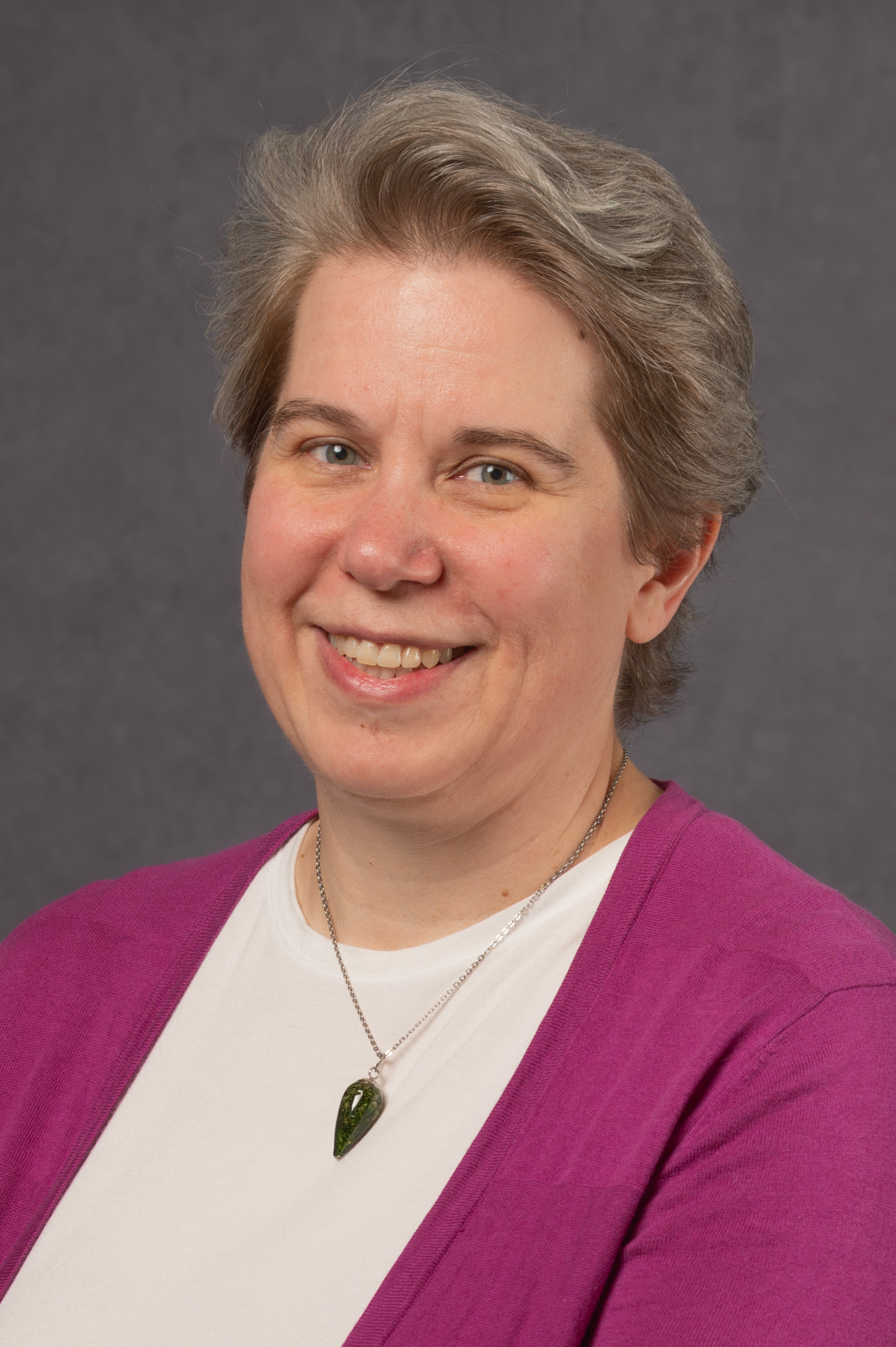
Lease, professor of anthropology at YSU, was called upon by the Ohio Bureau of Criminal Investigations to assist with a large-scale search effort in Harrison County. According to a letter of appreciation from Special Agent Joe Lamping, her work in the field “saved the investigative team and crime lab an indescribable amount of time” and proved critical to the success of the operation.
Lease, who has worked with law enforcement agencies for more than 20 years, said requests like this are not unusual, but the scope of the search made it stand out.
“I recognized that it was one of those things that was going to take a lot of time, and there was a lot of area to cover, so it just made sense to go down,” she said.
The search effort involved dozens of personnel navigating wooded, mountainous terrain with limited access to resources. Teams relied on drones, cadaver dogs and coordinated ground searches to cover the expansive area.
“A lot of it is the weather and the environment,” Lease said. “It was a very large, hilly area with woods, high weeds and limited access. It’s not in the middle of the city – it’s a big, large-scale kind of endeavor.”
Trained in biological anthropology with a specialization in skeletal biology and forensic anthropology, Lease applies her expertise to assist in identifying human remains and distinguishing them from non-human materials in the field.
“When you are looking at bones, there are certain features and characteristics you can use to determine whether something is human,” she said. “A lot of it comes down to morphology, size and structure. In the field, it’s really you and your experience.”
Her ability to make those determinations on-site helped streamline the investigative process, eliminating the need to transport large amounts of material for additional testing and allowing the team to focus resources more efficiently.
“If you want to do a complete job as quickly as possible, having someone there to make those determinations saves time and resources,” Lease said.
Lease emphasized that partnerships between universities and agencies like BCI are essential in cases requiring specialized knowledge. Faculty members often provide expertise that may otherwise be unavailable or cost-prohibitive for local agencies.
“Universities are where people go for expertise,” she said. “We have skill sets that serve a need in the community, and being able to contribute in that way is important.”
In addition to her work in the field, Lease integrates real-world experiences into her teaching, providing students with opportunities to engage in applied learning. Advanced students may accompany her on field work after gaining exposure through coursework in osteology and forensic anthropology.
“It’s one thing to learn in the classroom, and it’s another to see how it applies in real situations,” she said. “I want students to understand that they can use their skills to make an impact.”
Her students have gone on to careers in law enforcement, forensic science, healthcare and research, as well as fields beyond traditional forensic work.
“I want them to see that there are many ways to apply what they learn,” Lease said. “Being involved in the community and using your skills to contribute is an important part of being an active citizen.”
Lease also encourages students to expand their learning beyond campus through hands-on experiences and study abroad opportunities, including field school and international programs.
“We try to give students as many experiential learning opportunities as possible,” she said. “Whether it’s in the field, in the lab or abroad, those experiences help prepare them for whatever path they choose.”
Through her work with BCI and her ongoing commitment to students, Lease continues to demonstrate how academic expertise can extend beyond the classroom to serve communities and support the pursuit of justice.
